
What are opioids?
Opioids are highly addictive narcotic substancescommonly prescribed to treat pain.
Common opioids

Codeine

Fentanyl

Gabapentin
Neurontin ®

Hydrocodone/ Acetaminophen

Hydromorphone

Meperidine

Methadone

Morphine

Oxycodone

Oxycodone/ Acetaminophen

Tramadol
Why are opioids dangerous?
Our bodies begin to build a tolerance for opioids, meaning we have to take more to get the same effect. People taking opioids for chronic pain are especially at risk because tolerance continues to grow even after the maximum dose has been reached.
Drug tolerance may lead to physical dependency, addiction, abuse, and overdose.
Opioids and the brain
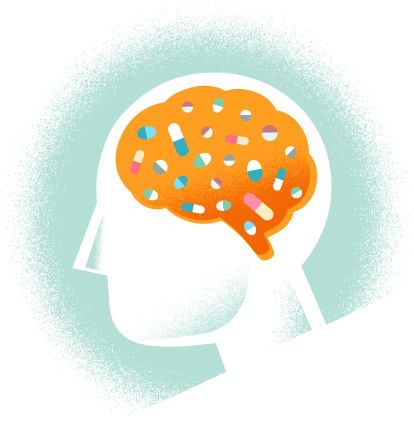
Drug tolerance builds because the brain becomes less responsive to opioids the longer it's exposed.
The brain also stops producing natural endorphins, making a person more susceptible to pain and diminishing their ability to feel happy naturally.
When someone stops using opioids, their brain takes time to repair. They may experience intense withdrawal symptoms, such as shaking, vomiting, and anxiety.
Prescription opioids are as dangerous as heroin
The molecular composition of prescription opioids is almost identical to that of heroin.

Oxycodone
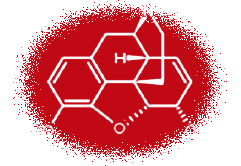
Heroin
There are safer ways to manage pain. The treatments below have fewer risks and side effects than opioids.
Safely manage your pain and prescriptions
- Acupuncture
- Acetaminophen (Tylenol®)
- Cognitive Behavioral Therapy
- Exercise
- Interventional Therapies (Injections)
- Ibuprofen (Advil®, Motrin®)
- Massage Therapy
- Medication for Depression or Seizures
- Naproxen (Aleve®)
- Physical Therapy
- Speak to your provider about alternative treatments